
The Ultimate Guide To Business Registration For Foreigners In Malaysia (2026)
MISHU assists foreigners looking to register businesses in Malaysia daily, and frankly, the actual business registration part is simple, straightforward and fast – and just the tip of the iceberg!
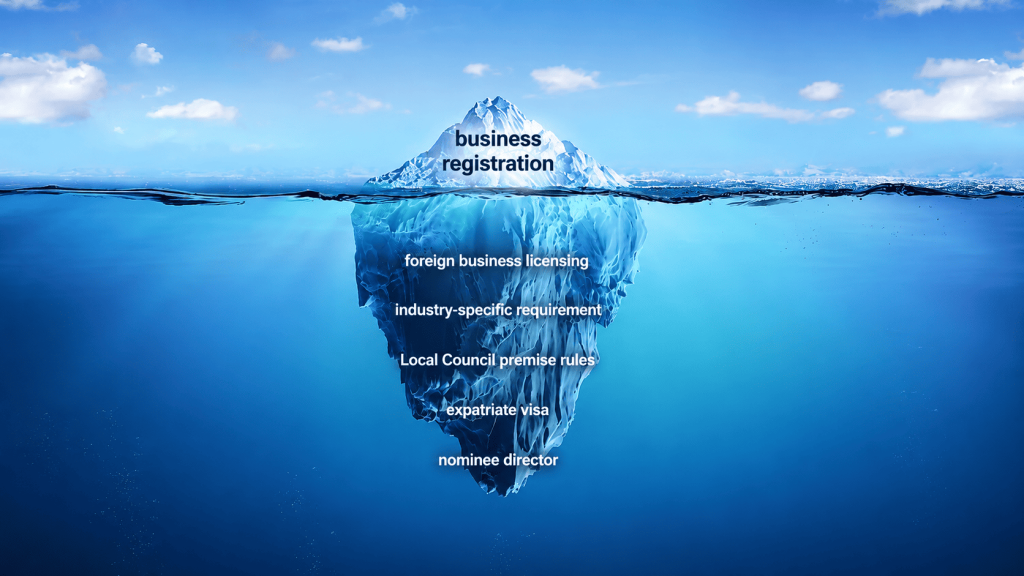
Sound decision-making requires understanding many more key pieces of information, and our guide below is based on what a consultation with us looks like with someone who wants to know the A – Z of doing business in Malaysia as a foreigner.
Not just how to register a business entity (the easy part!) but to operate and transact legally, namely:
- mandatory licensing for foreign businesses
- federal requirements for the intended sector
- Local Council premise guidelines
- business entity options (and potential nominee needs), and
- expatriate visa applications
That said, readers who prefer to incorporate first and ask questions later are welcome to skip the guide and get in touch!
Otherwise, let’s begin.
1. Foreign businesses must meet WRT / USS license requirements
Across the board, almost all foreign-owned businesses (51% foreign equity) in Malaysia must apply for either a:
- Wholesale, Retail & Trade (WRT) license if they deal in trade sectors, or
- Unregulated Services Sector (USS) license if they deal in services
Both require a paid-up capital of at least RM1 million (~ quarter million USD).

They are issued by the Malaysian Ministry of Domestic Trade to protect smaller local enterprises by regulating the type of foreign ventures allowed to do business – so if you feel like this license makes it hard for smaller foreign ventures, it’s by design!
To our knowledge, there are two ways to circumvent this license:
- Foreign tech startups who qualify for the Malaysia Tech Entrepreneur Programme (MTEP)
- Incorporated joint ventures with Malaysians with no more than 50% foreign equity
However, if you want a 100% foreign owned business, one of these licenses are mandatory and so is the paid-up capital.
2. Identify industry-specific rules on foreign equity
If a foreigner is able to meet WRT or USS licensing requirements, our next step is determining if they are aware whether their chosen industry has specific regulatory restrictions by the Malaysian government.
Many sectors in Malaysia don’t have specific licensing and allow 100% foreign ownership, but many do specify:
- foreign equity limits
- staff qualifications and nationality
- premise and facility requirements
- more!
We can’t cover all of them in this guide, but we’ll cite one of the most common enquiries we get – foreigners setting up language centres.
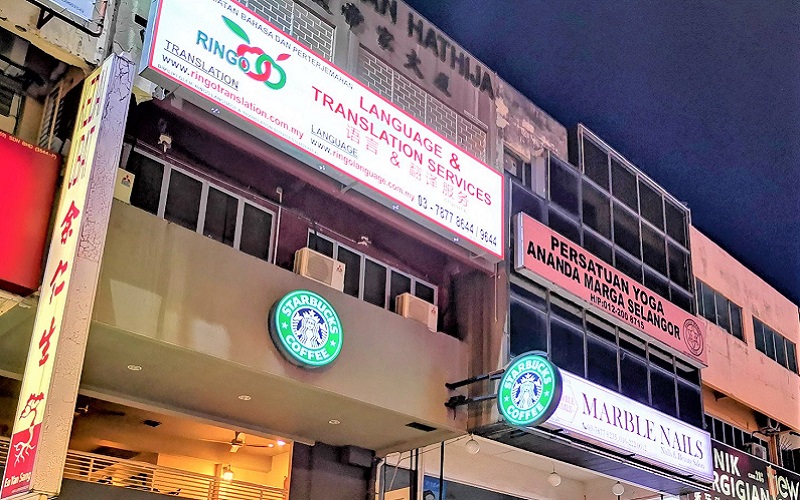
Our linked guide covers the process in full, but some of the main barriers include:
- maximum 51% foreign equity (in which case it will need that USS license)
- 30% of the local equity must be Bumiputera-owned
- requires a chairman, principal, and five governors as part of the management team
- not being located near other similar language centres
- not being allowed to offer non-language courses without applying for additional licenses
Some are willing to comply with these requirements; others say no thank you and look at Singapore instead. Identify your industry requirements before registering a business and signing agreements.
3. Determine where you will physically operate
While industry licenses are issued by federal agencies and are uniform across Malaysia, licenses to operate in a premise and display a signboard are regulated by district level Local Authorities, of which there are 151, each with their own requirements!
If your business activity requires a physical operating premise, knowing where you’d like to operate is a huge help.
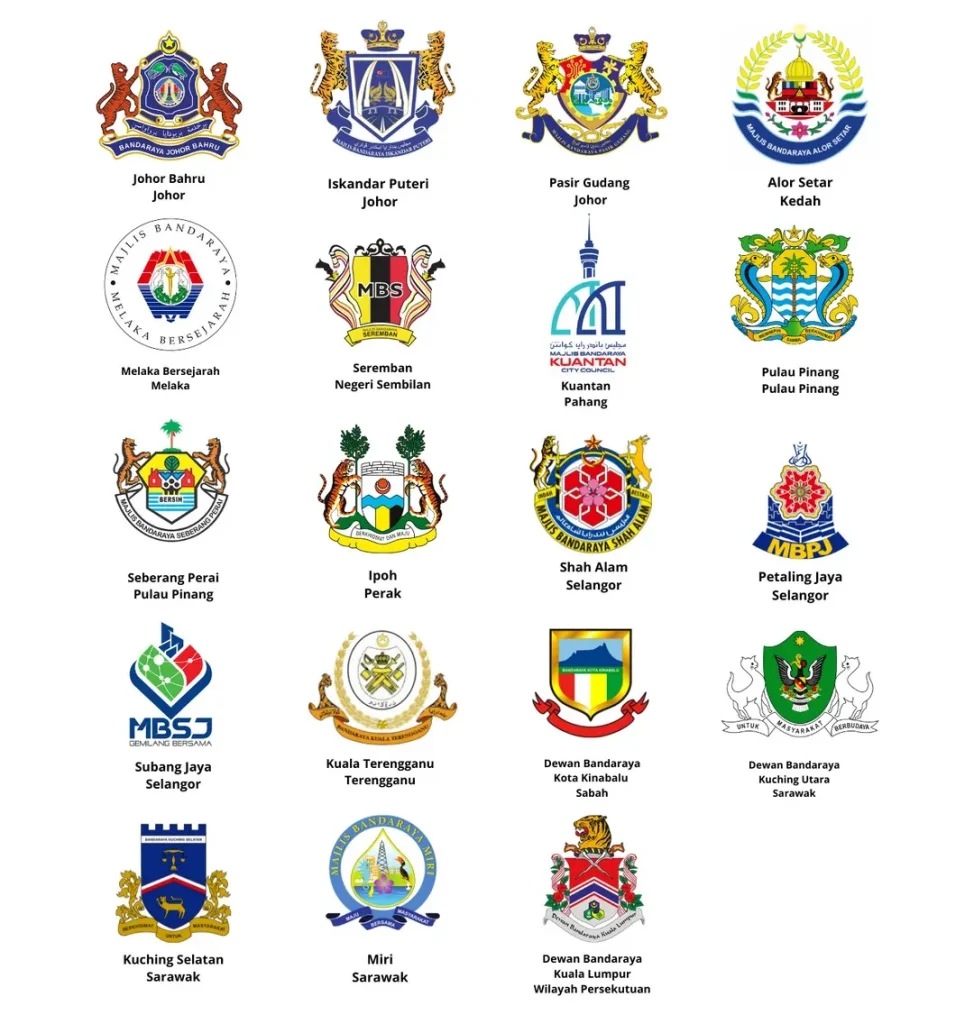
Locally referred to as a PBT license, you can think of it as the ‘last mile’ of your business setup – everything else can go right but if you don’t meet the PBT’s premise and signboard requirements for your type of business, you won’t be able to actually operate.
That’s why good logistics companies plan for last mile delivery from the start, and that’s why we always encourage foreigners to find out where they intend to operate beforehand – and then find out the respective PBT’s premise rules, namely:
- proximity to other types of business activities
- proximity to residential areas or places of worship
- whether residential premises are allowed for certain sectors
- layout requirements
Foreigners should also make sure their business signboards can comply with PBT requirements, namely the prioritisation of Bahasa Melayu (our national language) if other languages are used.

This is not good enough.
This an issue which has led to many foreign businesses getting fined and in theory it could even get your license revoked.
4. Choosing a suitable business entity
If WRT / USS licensing feasibility, industry restrictions, and operational location considerations are understood, only then do we look at foreign business entity options, of which existing foreign businesses have two:
- a branch office, or
- a Sdn Bhd
A branch office is a direct extension of a foreign company incorporated outside Malaysia – faster and cheaper to set up, but the parent is fully liable for branch debts and legal commitments, and the branch cannot conduct business that differs from the main company.
A Sdn Bhd is a locally incorporated company with varying levels of foreign shareholding. It is slower and more expensive to set up, but the foreign owners are generally not liable for its debts and legal commitments, and in the case of a subsidiary, free to diversify its business activities into other sectors independent of the foreign parent.

An example of a foreign-owned subsidiary in Malaysia.
For long-term operations, Sdn Bhds are by far the most popular choice because they offer:
- limited liability protection
- greater operational flexibility
- easier local expansion
- better long-term scalability
We explore this at length in our subsidiary vs branch comparison, and we’ll proceed in this guide with Sdn Bhds as the entity of choice.
How to register a foreign-owned Sdn Bhd
Sdn Bhds are registered with Suruhanjaya Syarikat Malaysia (SSM), Malaysia’s regulatory body for business entities. It’s technically possible to incorporate yourself, but unless you already have an SSM account, registering one requires physically visiting an SSM branch.

If this is possible, our guide to DIY company registration explains the process in full.
Most foreigners engage a third-party provider to handle incorporation, and the most practical choice is to hire a Company Secretarial firm since one of the statutory requirements is to appoint a Company Secretary within 30 days of incorporation anyways.
Whoever you hire will ensure you meet SSM’s incorporation requirements, and if it was MISHU (yes, we are a Company Secretarial firm), we’d make sure you have the following six things sorted out:
- proposed company names with explanations if not in Bahasa Melayu or English
- up to three MSIC codes and a 200-word nature of business description
- a Malaysian registered address
- one locally residing director (can be a foreign / nominee)
- one shareholder (individual or corporate)
- RM2,500 in paid-up capital, share price, number of shares, and ownership proportions
While officially RM1 paid up capital is enough to incorporate, banks typically only approve accounts when they see at least RM2,500, so treat that as the effective minimum to do business.
Notice requirements to incorporate a 100% foreign business are far lower than the requirements to actually operate – that’s why we always inform foreign clients of WRT / USS license, industry, and PBT requirements beforehand!
What’s a nominee?
For foreign businesses that cannot source a resident director, a nominee is a locally residing individual that is appointed as a director in name to fulfil SSM’s requirements. Both sides typically sign a nominee director agreement that strips a nominee of the usual director powers like accessing company finances and making decisions – all they get is whatever director’s fee is agreed on.
It’s an arrangement that carries risk for both sides – mostly the nominee – which is why MISHU doesn’t provide this service directly, but many Company Secretarial firms do.
What about Labuan companies?
The MISHU team facilitates Labuan company incorporations as well, and it’s just not an alternative to a Malaysian branch or Sdn Bhd.
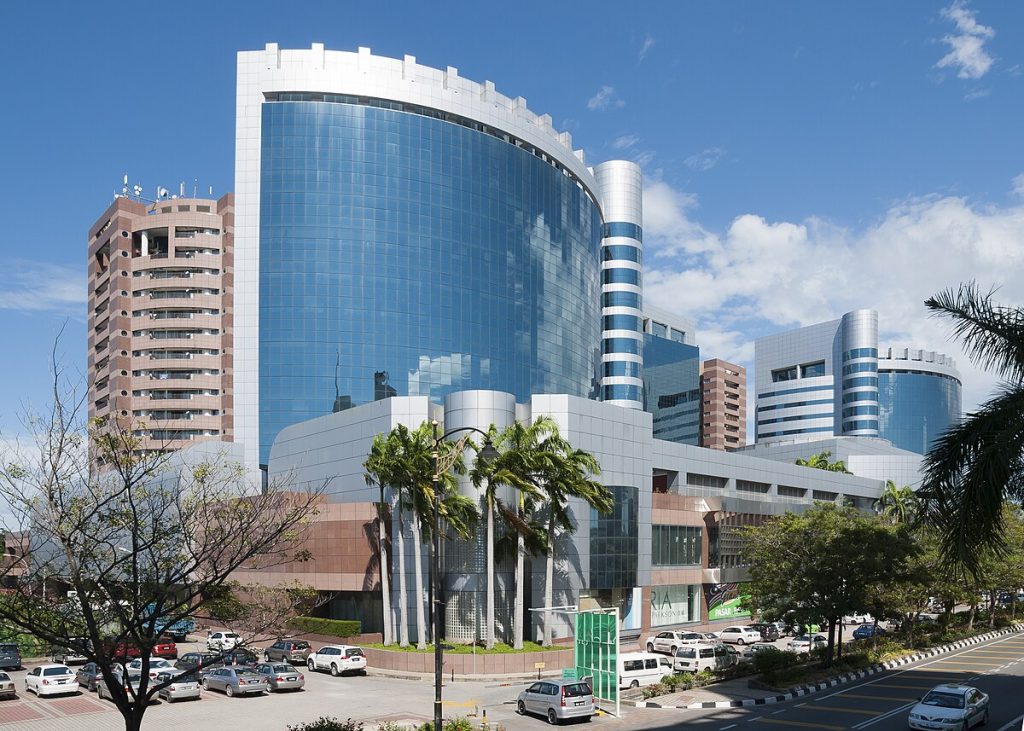
Labuan companies are intended for international business activities or Labuan-based operations, and unsuitable if your goal as a foreign business is to sell to the Malaysian domestic market.
5. Decide if there will be foreign expat hires
Another major planning decision is whether the foreign business plans to fill long-term positions with skilled expatriate talent.
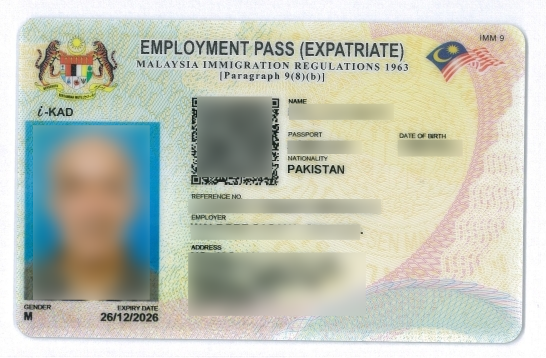
This is an entire topic unto itself, and readers are highly encouraged to read our full guide to Employment Pass (EP) applications.
In short, businesses that plan to have foreigners relocate to Malaysia as expatriate directors, shareholders, managers, and skilled executives must be prepared to meet strict requirements and allocate resources for:
- meeting EP monthly salary requirements
- registering an employer account with the Expatriates Services Division, and
- preparing, submitting, and tracking EP applications
- keeping records for EP renewals
Alternatively, businesses can consider a Malaysian Professional Visit Pass (PVP) for their foreign hiring needs – in contrast to an EP, a PVP is short-term and non-renewable, but carries no minimum salary requirements.
Like we said, expat visas are its own rabbit hole!
6. Timeline and setup steps for a foreign-owned Sdn Bhd
Assuming you proceed with a Malaysian Sdn Bhd structure, the setup process commonly involves determining if you are agreeable to:
- WRT / USS license requirements (or can circumvent them)
- any industry-specific restrictions
- your specific Local Council premise guidelines
- Sdn Bhd statutory requirements
- EP eligibility (if planning to hire expatriates)
For obvious reasons, actual setup timelines vary significantly depending on industry, Local Council (some are much slower), and whether foreign hiring is involved, but on average, expect it to take eight to nine months from start to finish.
That’s it from us, and we wish you all the best with your Malaysian venture 🥰
Let MISHU handle your WRT license application 
If you are a foreigner looking to set up a business in Malaysia, consider our professional WRT license application services for a one-stop solution for company incorporation, visa applications, and full licensing support.