Clarifying The Purpose Of WRT Licenses From KPDN / KPDNKK
One of the more unfortunate things the MISHU team has to do daily (yes, literally) is to let down foreign entrepreneurs looking to set up a small business in Malaysia.
Compared to Malaysia’s relatively accessible requirements to set up a foreign-owned company, operating it almost certainly requires a WRT / USS license which significantly raises the bar – at minimum, a foreign-owned venture must demonstrate a paid-up capital of RM1 million or around a quarter million USD to even be considered.

Like springing a trap door under them!
To many foreigners, this disparity can feel like a bait-and-switch – and our goal with this guide is to help readers see the big picture and why WRT / USS licenses, while seeming unfair on the surface, are essential to supporting the Malaysian market.
Here’s how we’ve broken it down:
- what KPDN is and what they do
- how WRT / USS licenses support these objectives, and
- requirements beyond paid-up capital
For those looking for information on the actual process, head over to our WRT license application guide.
Otherwise, let’s begin.
What is KPDN and what does it do?
KPDN stands for Kementerian Perdagangan Dalam Negeri & Kos Sara Hidup / Ministry of Domestic Trade & Cost of Living is the government ministry responsible for regulating domestic trade activities and protecting the interests of Malaysian consumers and local businesses.

KPDN logo.
Formerly known as KPDNKK, KPDN is responsible for overseeing, among other things:
- domestic trade activities
- retail and distribution sectors, and
- foreign participation in certain business activities
In simple terms, KPDN regulates the scope of foreign business participation in Malaysia to protect local markets, businesses and consumers – and WRT and USS licenses both exist to support this objective.
How WRT / USS licenses support KPDN objectives
WRT and USS licensing requirements allow KPDN to manage foreign participation in sectors with potential for direct competition with local businesses.
For example, a foreign-owned restaurant would almost certainly be in direct competition with Malaysian restaurants of a similar size.
Therefore, KPDN wants to be sure a foreign business entering the F&B sector in Malaysia will not take away opportunities from existing local SMEs, thus the relatively high paid-up capital requirements – if a foreign restaurant can meet those, it’s probably too big to directly compete with smaller Malaysian food outlets.
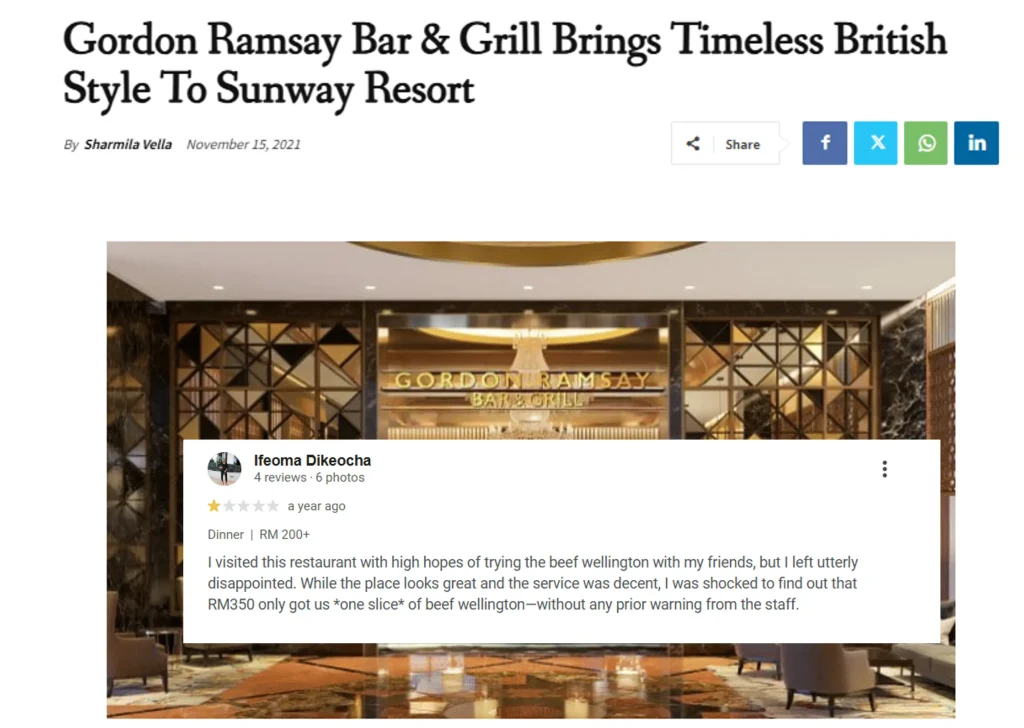
Whether it actually tastes good seems to be optional!
The underlying principle can be extended across other sectors – a high paid-up capital filters out foreign businesses that will likely compete with small to medium local businesses.
Additionally, KPDN is rarely satisfied with just size – a foreign-owned company that meets WRT / USS paid-up capital requirements will also often have to show they can introduce something unique and create opportunities for the Malaysian market beyond their bottom line.
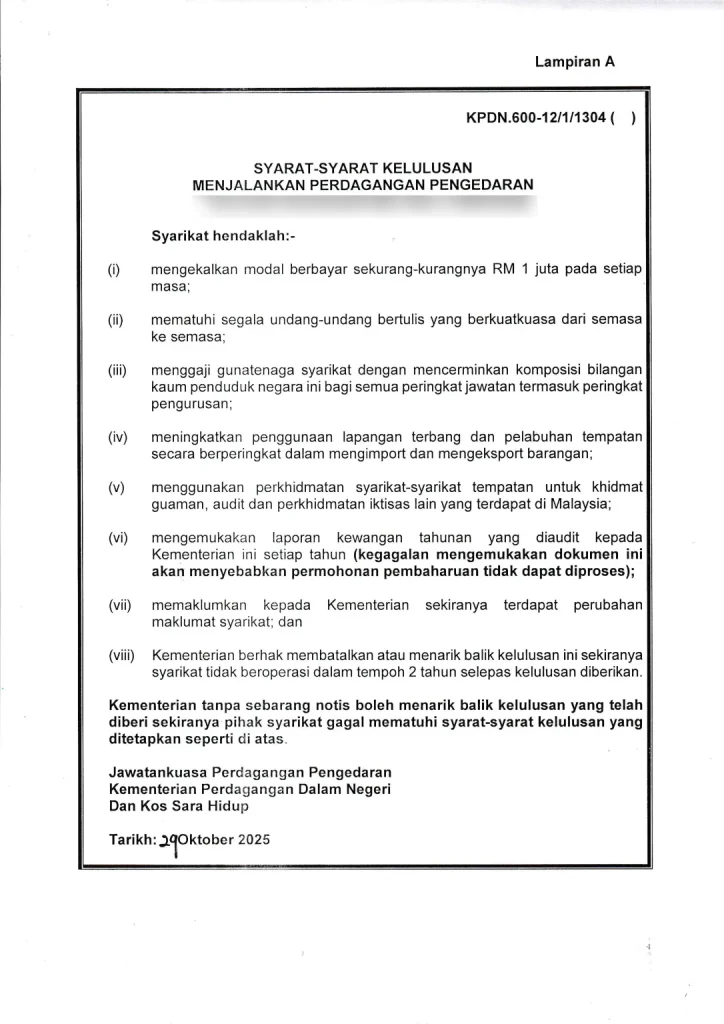
The WRT license requires employing Malaysians and using local service providers.
So to foreigners whose dreams of a Malaysian venture have been cut short, we sympathise but hope you see why this license exists.
And for those who believe they can meet the licensing requirements, get in touch if you’d like help securing yours!
That’s it from us, and we wish you all the best with your foreign business ventures in Malaysia or elsewhere🙂
Let MISHU handle your WRT license application 
If you are a foreigner looking to set up a business in Malaysia, consider our professional WRT license application services for a one-stop solution for company incorporation, visa applications, and full trade licensing support.